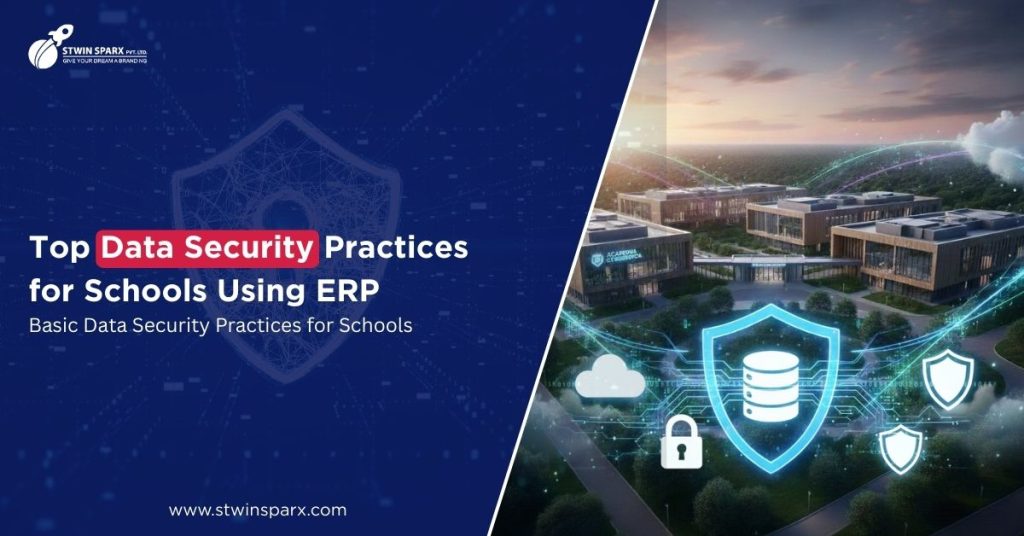
School ERP data security has become a major concern for modern schools. With student records, staff details, and financial data stored digitally, protecting sensitive information is no longer optional. Schools using ERP systems must follow strong data security practices to avoid breaches, data loss, and compliance issues.
Why School ERP Data Security Is Critical for Schools
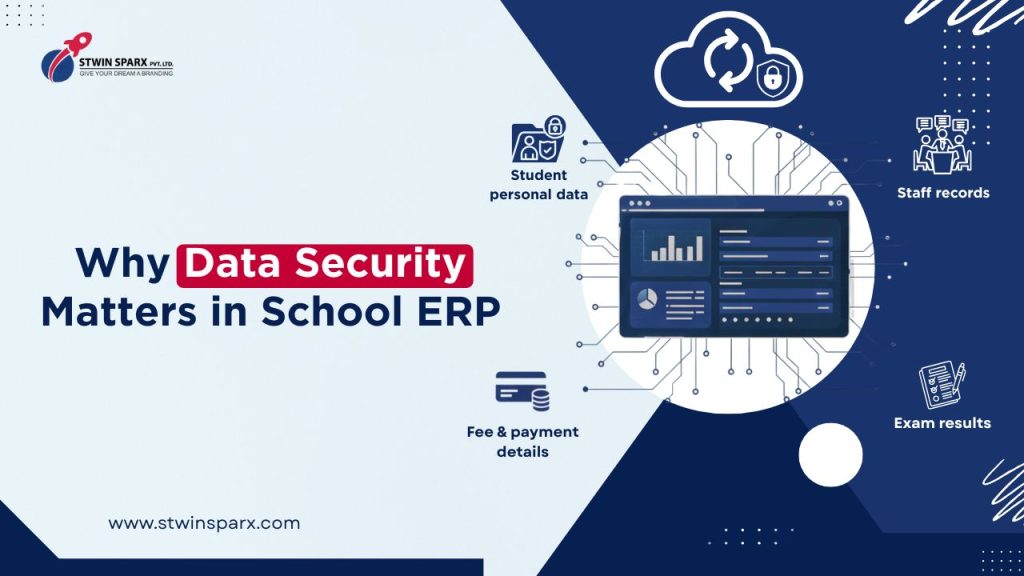
Schools store personal and academic data. This data includes student profiles, parent contact details, attendance, and payment records. If this data is leaked or misused, it can cause serious problems. Therefore, strong security practices are essential.
Moreover, online school management systems are cloud-based. Because of this, schools must follow proper safety steps to avoid data loss or misuse.
Common School ERP Data Security Risks Schools Must Know
Before improving security, schools should understand common risks.
First, weak passwords can allow unauthorized access.
Second, poor access control can expose sensitive information.
Third, untrained staff may click unsafe links or share login details.
As a result, data becomes vulnerable.
However, these risks can be reduced by following the right practices.
Best Practices for School ERP Data Security
Use Role-Based Access Control for School ERP Data Security
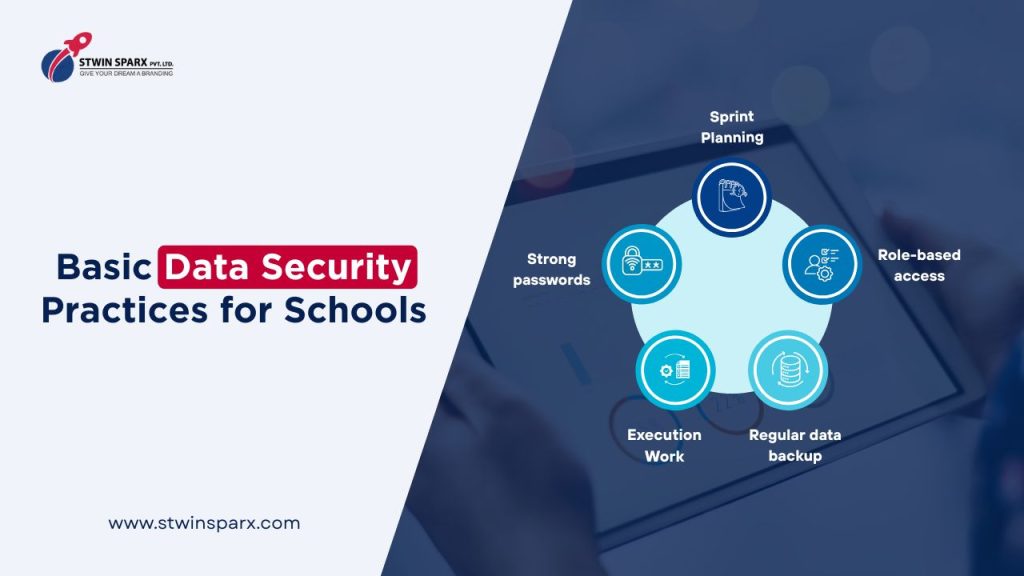
Not every user needs full access. Teachers, accountants, admins, and parents should have limited roles. Therefore, ERP systems must allow role-based access. This ensures users see only what they need.
As a result, sensitive data stays protected.
Enable Strong Password Policies for School ERP Data Security
Passwords should be strong and updated regularly. Simple passwords are easy to break. Because of this, schools should enforce password rules.
In addition, two-factor authentication adds extra safety.
Choose a Secure Cloud-Based ERP
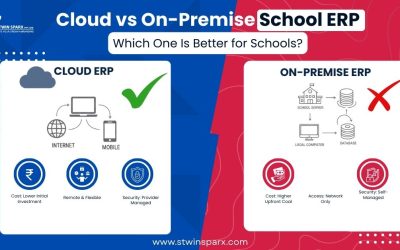
A reliable ERP uses secure cloud servers. These servers offer encryption, backups, and firewall protection. Therefore, schools should always choose a trusted online school management system.
This helps prevent data loss during system failures.
Regular Data Backups to Improve School ERP Data Security
Data backups are essential. If data is deleted or damaged, backups help restore it quickly. Therefore, ERP systems should perform automatic backups.
As a result, schools avoid downtime and stress.
Train Staff on Data Safety
Technology alone is not enough. Staff must understand basic security rules. For example, they should avoid sharing passwords or clicking unknown links.
Training reduces human errors and improves overall safety.
Monitor System Activity to Strengthen School ERP Data Security
ERP systems should track login activity. This helps identify unusual behavior. If something looks wrong, action can be taken quickly.
Therefore, monitoring helps prevent bigger issues.
How Strong School ERP Data Security Builds Trust with Parents
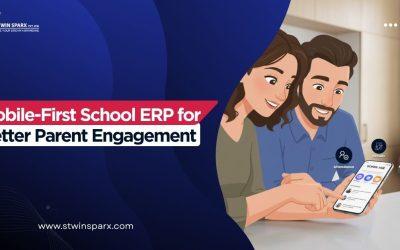
Parents trust schools with their children’s information. When schools use secure ERP systems, parents feel confident. They know data is handled carefully.
As a result, communication improves and trust grows.
Mistakes Schools Should Avoid
Some schools ignore updates. Others delay security checks. These mistakes create risks. Therefore, regular updates and audits are important.
In addition, using outdated software should be avoided.
Choosing a Secure School ERP System
While selecting ERP software, security should be a priority. Schools should check:
-
Data encryption
-
Secure cloud hosting
-
Role-based access
-
Backup policies
-
Vendor support
A free demo also helps schools test security features before final use.
Conclusion: Why School ERP Data Security Matters
Data security is not optional for schools. It is essential. A secure ERP system protects student data, staff records, and financial information. By following the right practices, schools can avoid risks and operate smoothly.
Choosing a reliable and secure school ERP ensures peace of mind. It also helps schools focus on education instead of security concerns.